
Blog
Clear technical information on steam technology, diverse industrial processes, capacity selection, maintenance, safety and production efficiency.

What Does Steam Do in Bread Baking?
Steam during the first minutes of baking determines the bread’s crust, volume, and shine. We explain exactly what steam does to the dough and what insufficient steam can cause.
Read more →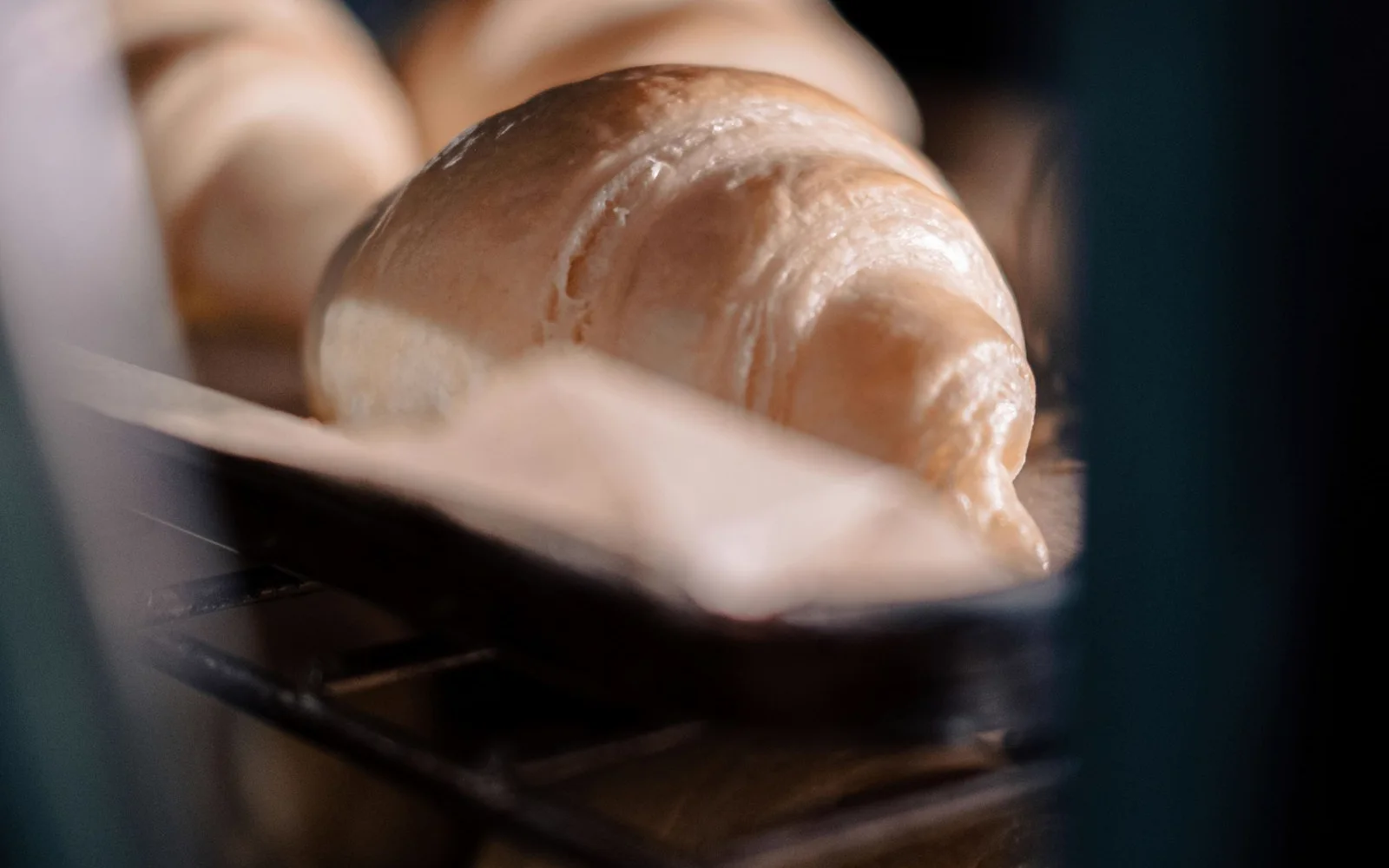
How to Choose a Steam Generator for an Oven?
When choosing a steam generator for your oven, capacity, installation method, heating type, and warranty are key considerations. We have listed what you need to look for to make the right choice.
Read more →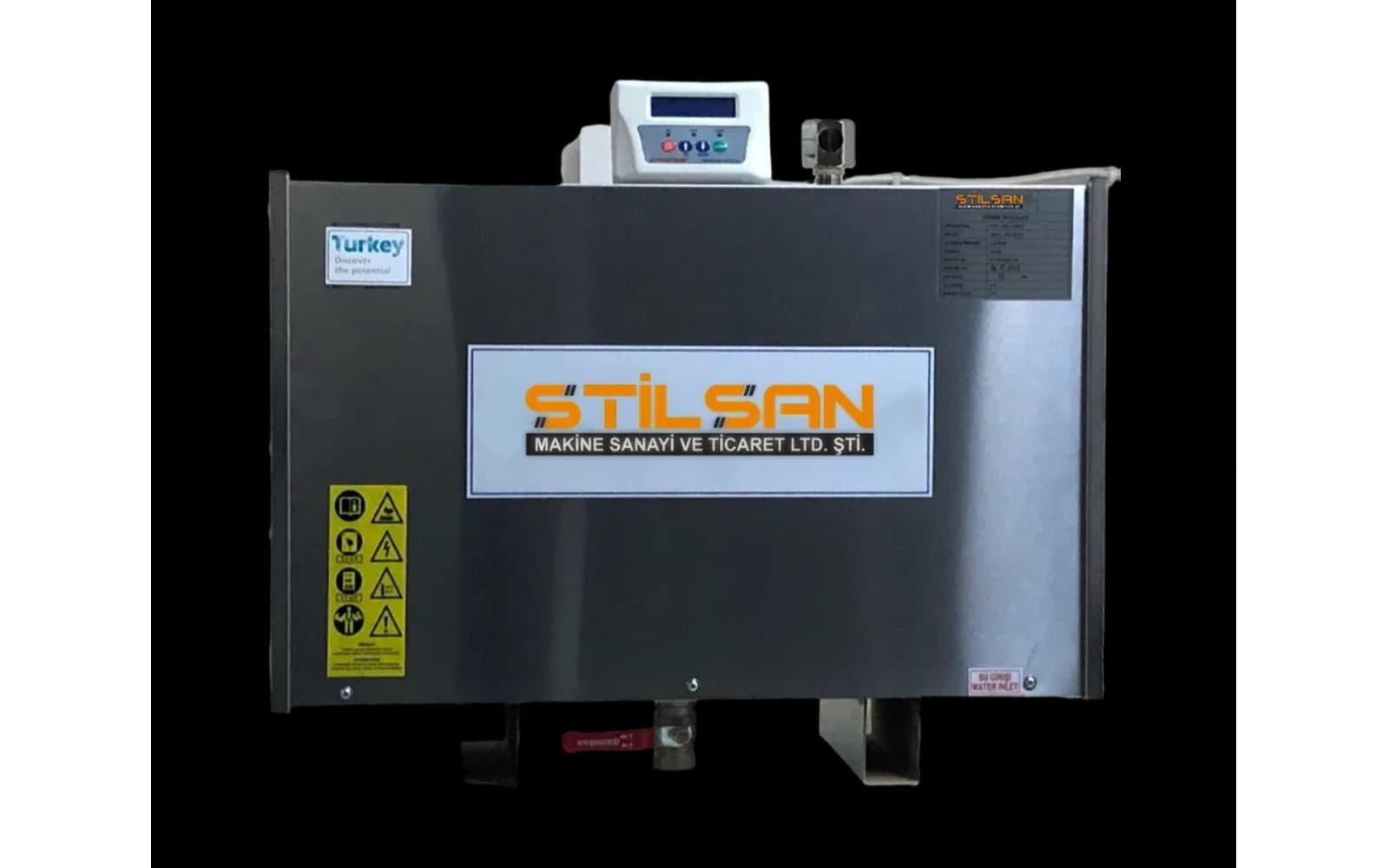
What Is a Steam Room (Proofing Chamber) and What Is It Used For?
Steam is critical not only in cooking, but also in dough proofing and resting. We explain what steam/proofing chambers do by providing controlled humidity and temperature.
Read more →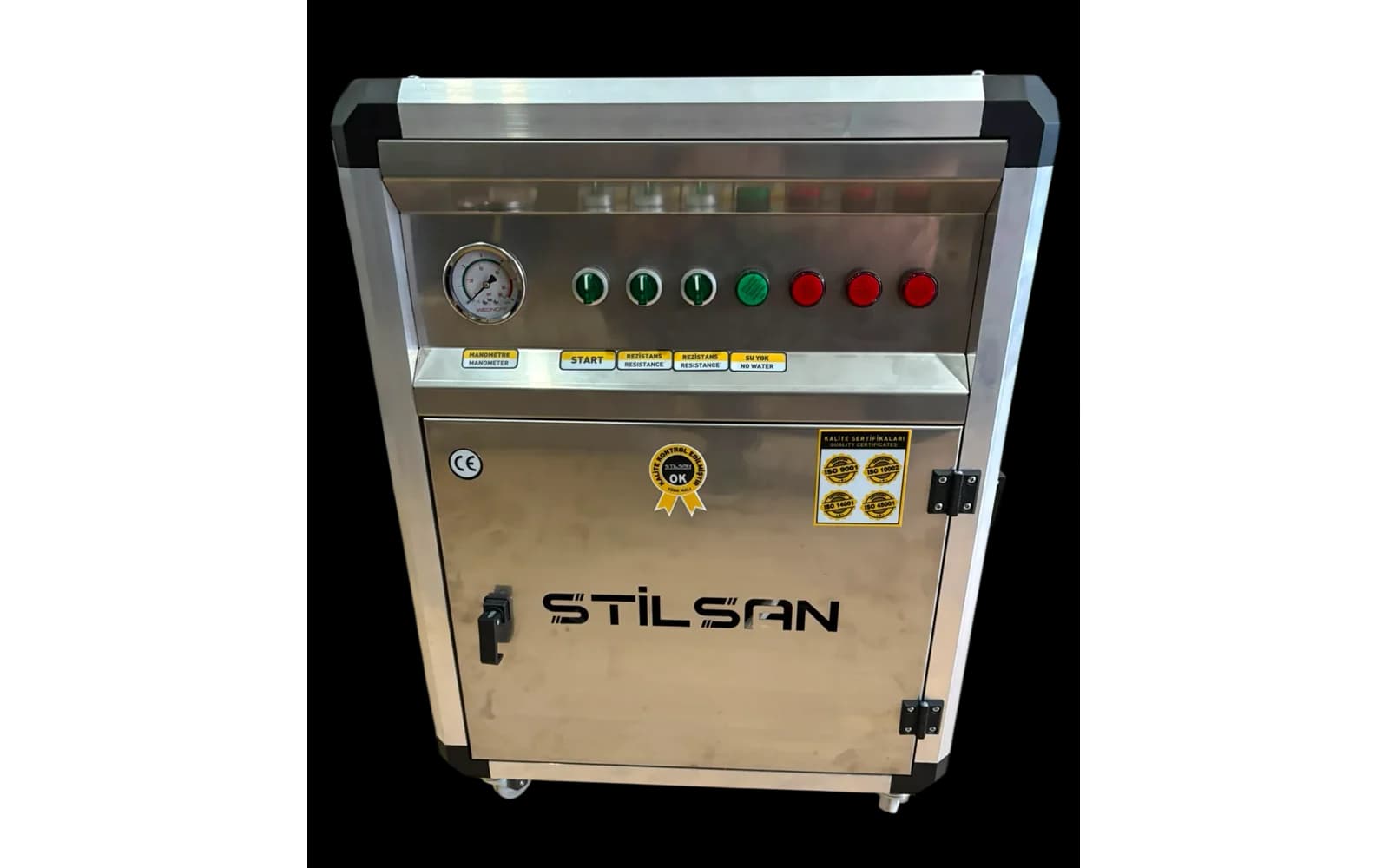
What Is a Steam Generator? How Is It Different from a Steam Boiler?
Steam generators and conventional steam boilers are often confused with each other. We explain the key difference in how they operate and what this means in practice, in clear and simple language.
Read more →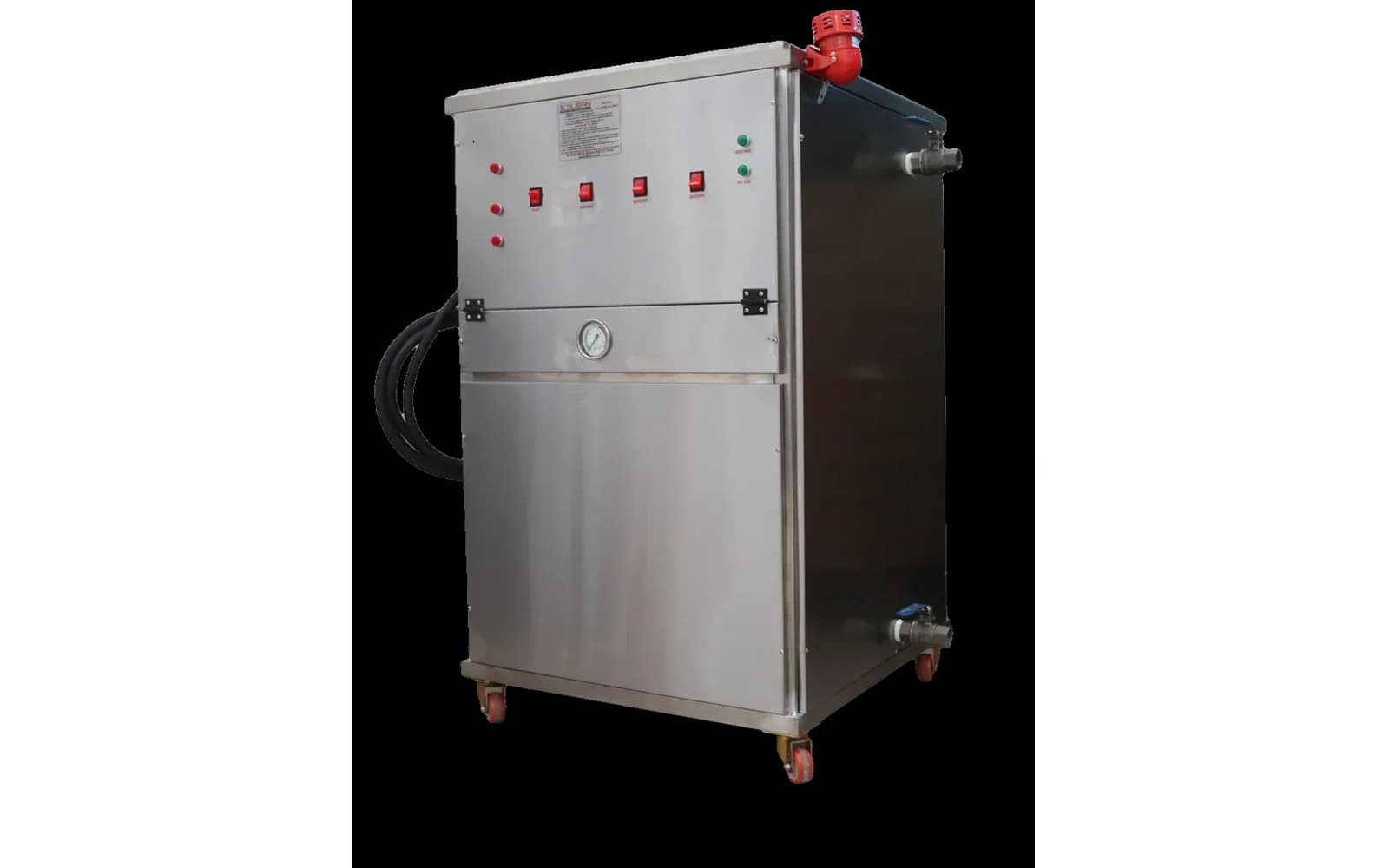
Advantages of an Electric Steam Generator
Electric steam generators stand out because they do not require combustion or a flue on site, operate cleanly, and are easy to control. We explain when they offer advantages.
Read more →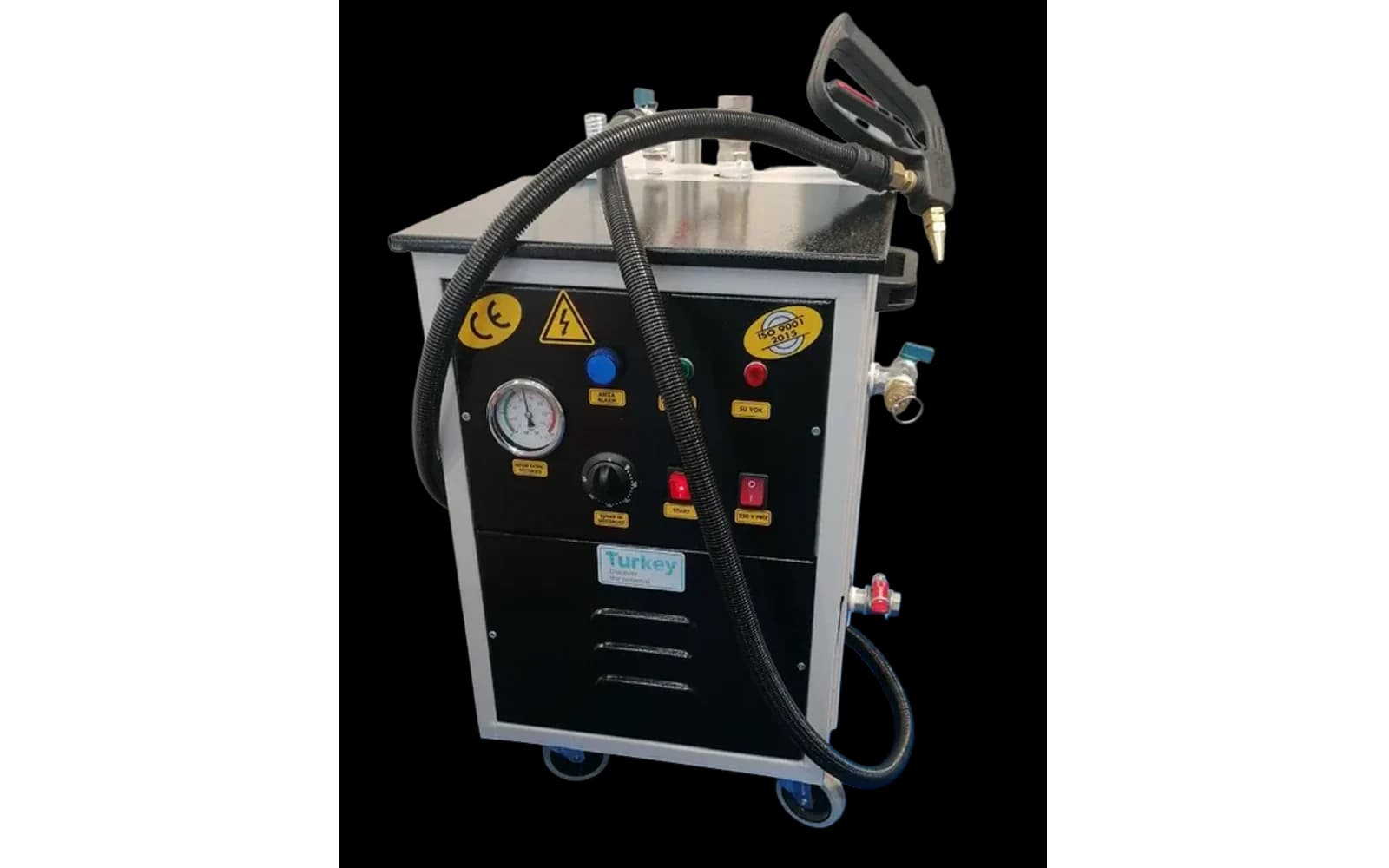
Types of Steam: Saturated, Superheated, and Steam Quality
Steam is not a single type. We explain, in simple terms, what saturated steam, superheated steam, and “steam quality” (dryness) mean and which applications they are suited to.
Read more →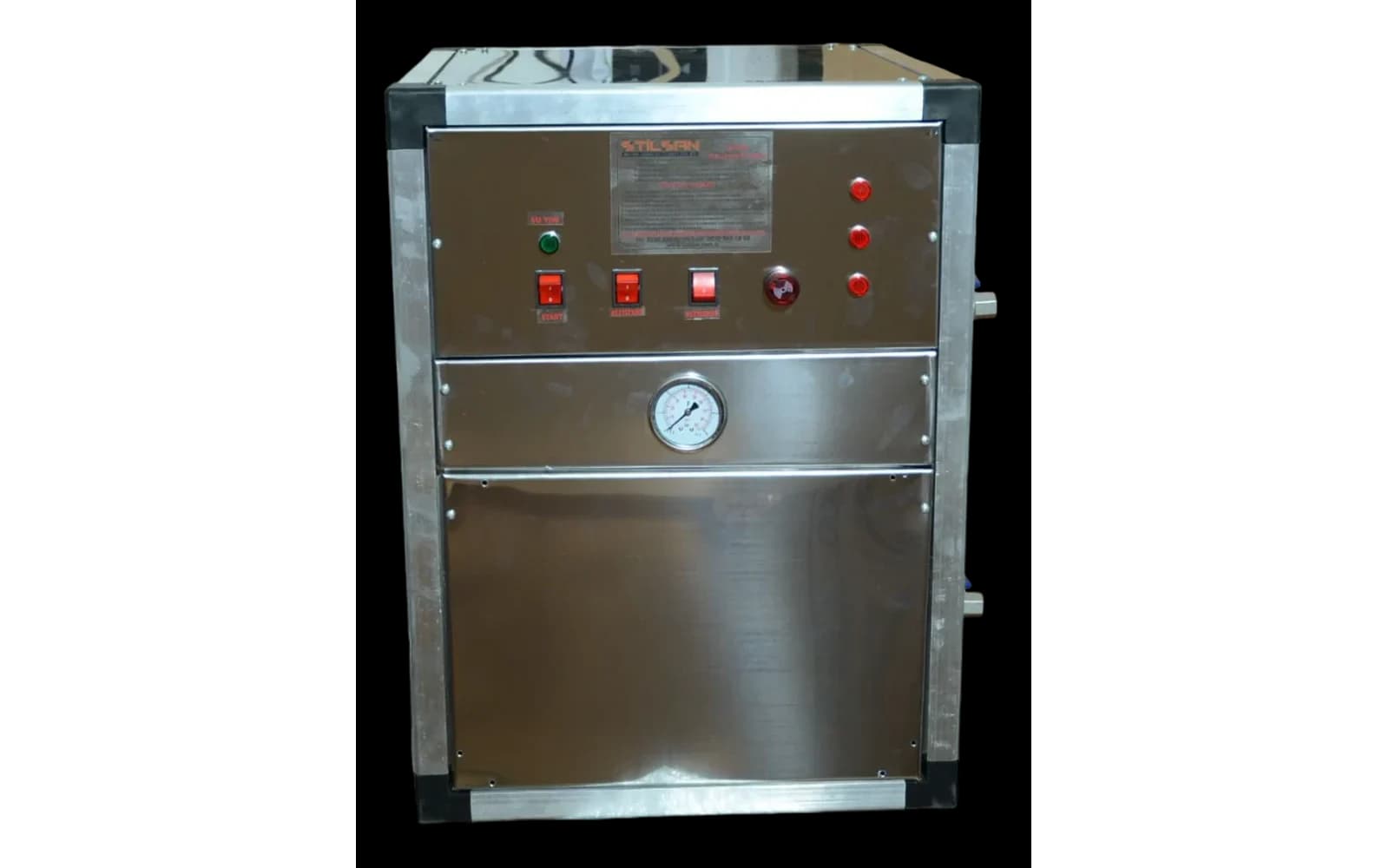
How Many kW of Power Does a Steam Generator Need?
The right power depends on how many kilograms of steam you need and the starting and target temperatures of the water. We explain the physical principles that determine capacity in clear, simple language.
Read more →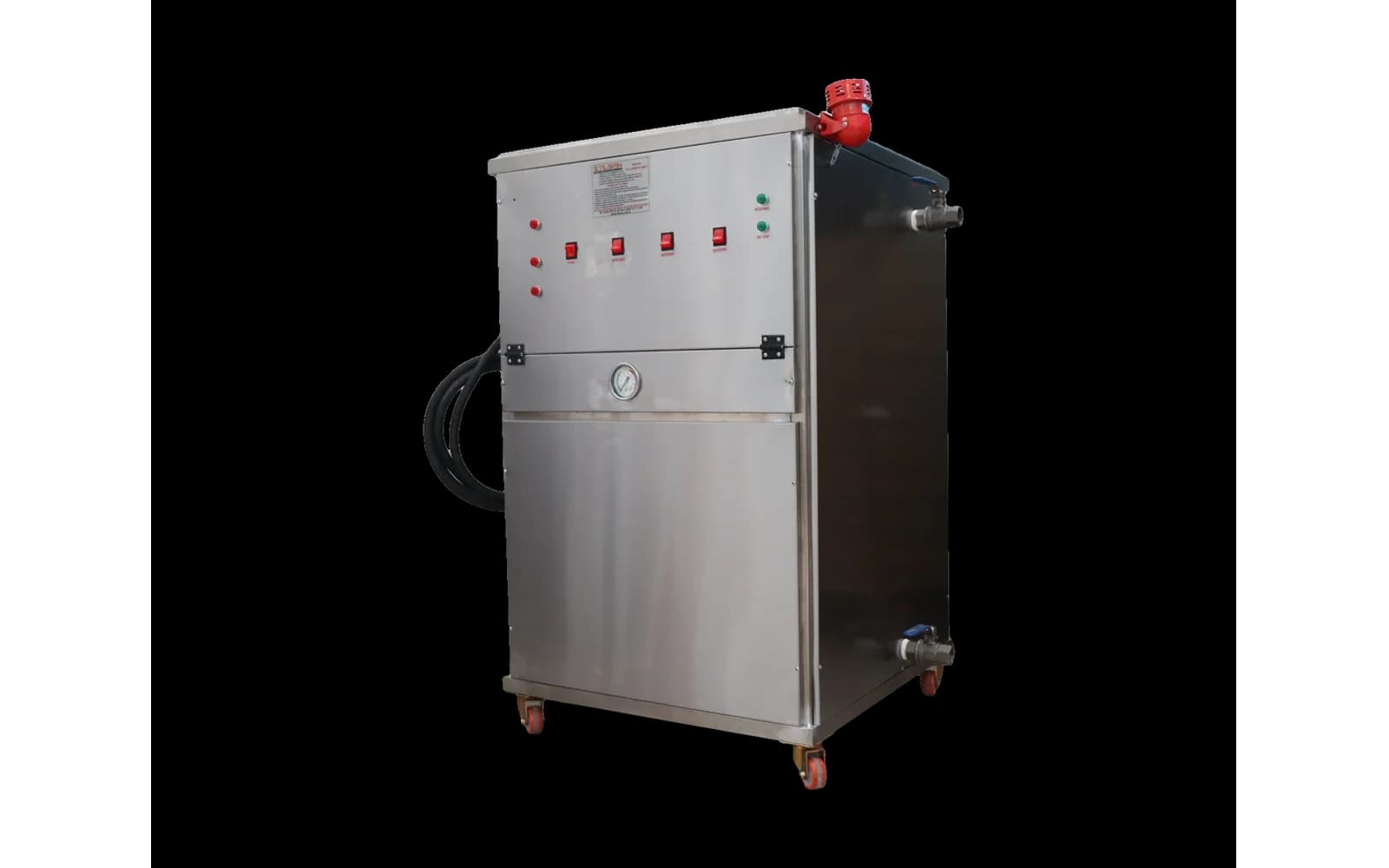
How Is the Cost of Steam Calculated?
The cost of steam is not limited to the energy bill. We explain, in a clear framework, the costs of energy, water, water treatment and maintenance, as well as how efficiency affects the total cost.
Read more →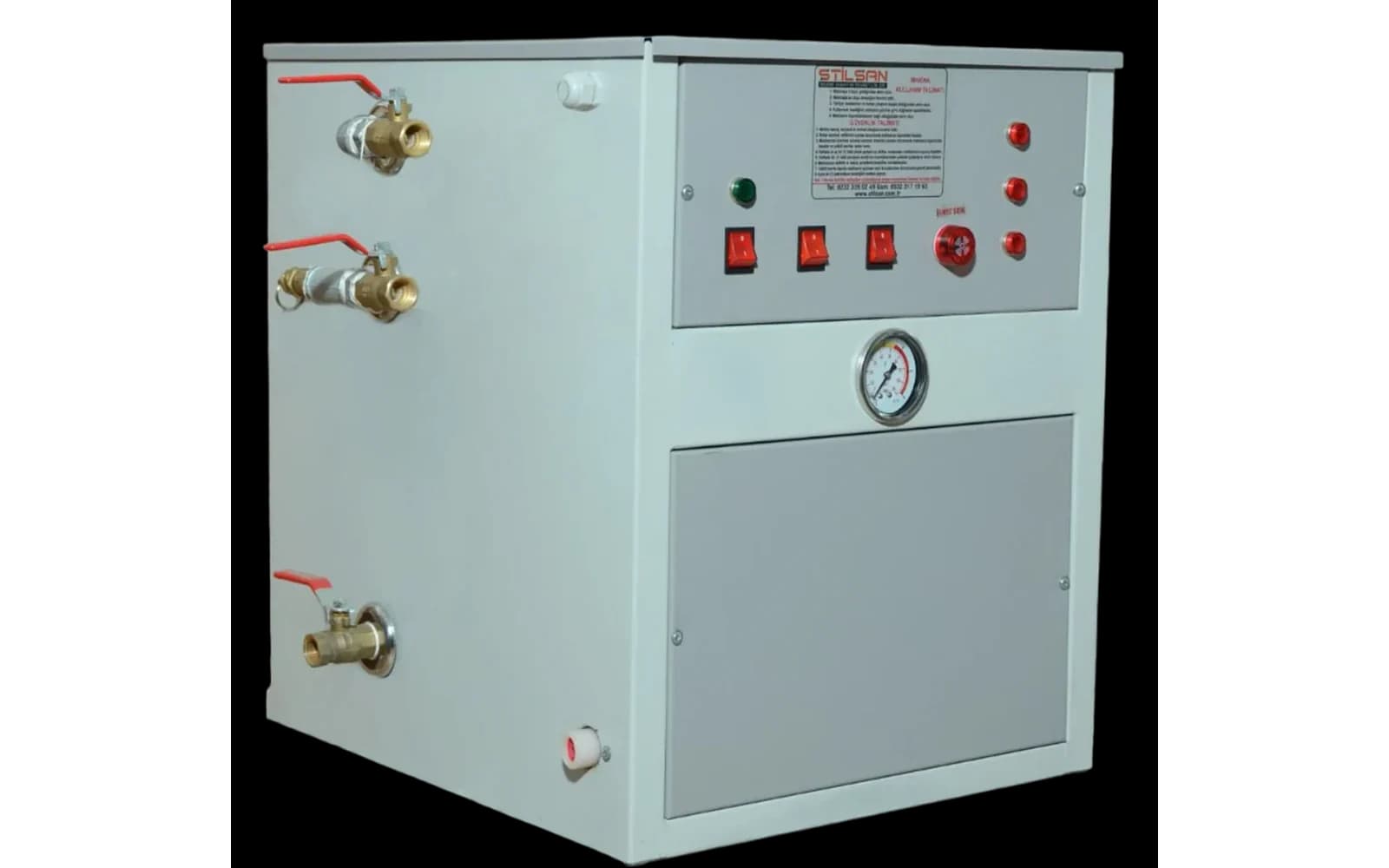
Steam Generator Maintenance: Scale, Water Quality and Blowdown
Water quality has the greatest impact on the service life and efficiency of a steam generator. We explain why scale causes problems, what water softening and blowdown do, and the fundamentals of maintenance.
Read more →
Factors That Determine the Price of a Steam Generator
The price of a steam generator cannot be reduced to a single tag; capacity, heating type, materials, automation, and custom manufacturing are key factors. We explain what shapes the price.
Read more →
The Advantages of Steam (Indirect) Cooking in Food Production
In production processes such as milk, ayran and vegetable blanching, scorching and burning at the bottom are among the most common problems. We explain why indirect heating with steam solves this issue.
Read more →
Steam Safety: Safety Equipment in Systems
Systems operating with pressurized steam are made safe through safety equipment. We explain essential equipment such as the safety valve, pressure control, and low-water-level protection.
Read more →
How is steam distillation planned for aromatic plants?
Distillation of aromatic plants such as lavender, thyme and bay laurel is planned not only according to vessel volume, but also according to the plant load, steam distribution, condenser and cycle targets.
Read more →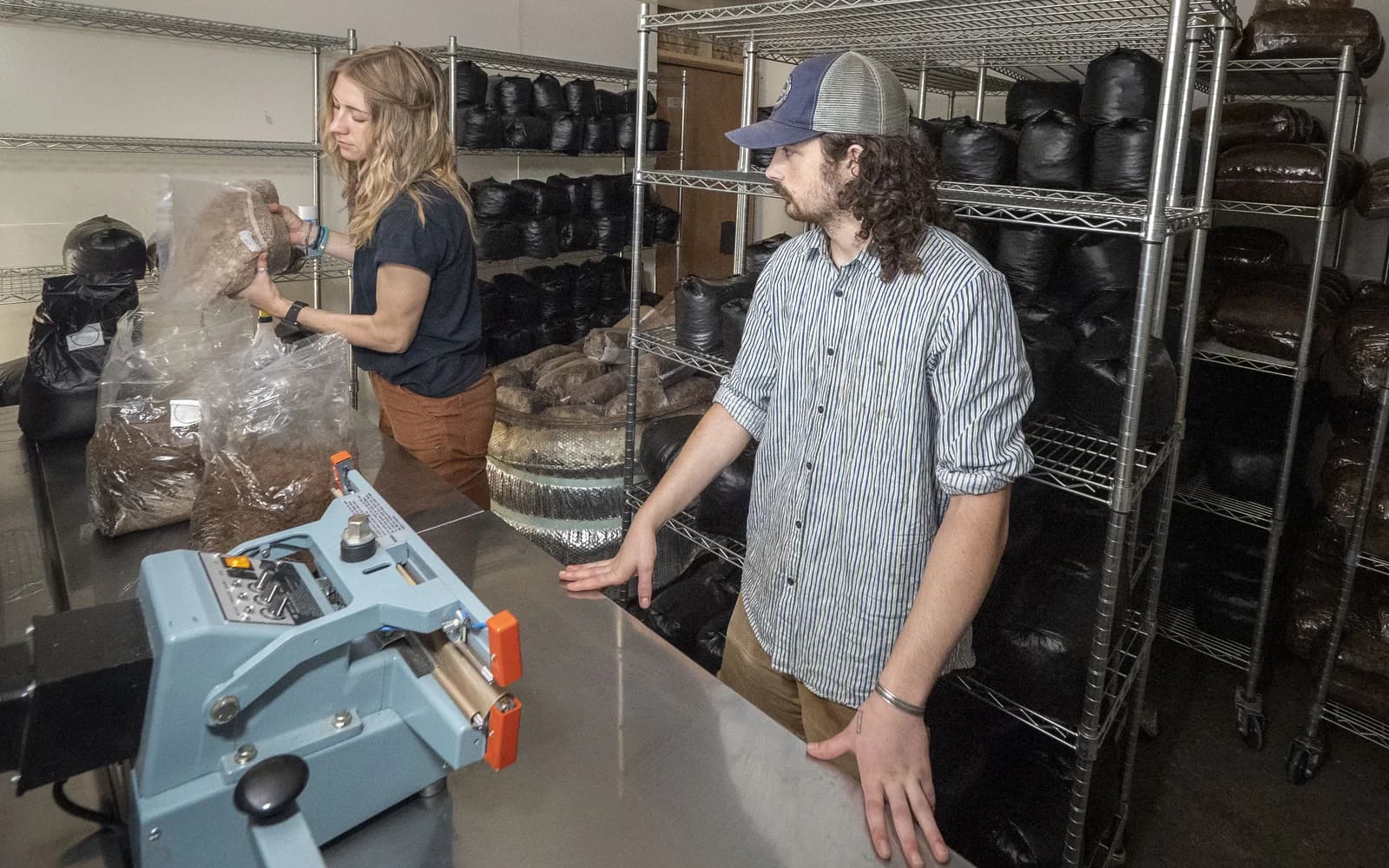
How to Pasteurize Mushroom Substrate with Steam
Pasteurization and sterilization are not the same process for mushroom substrate. The room, load, distribution, temperature measurement, and cooling plan must be designed together.
Read more →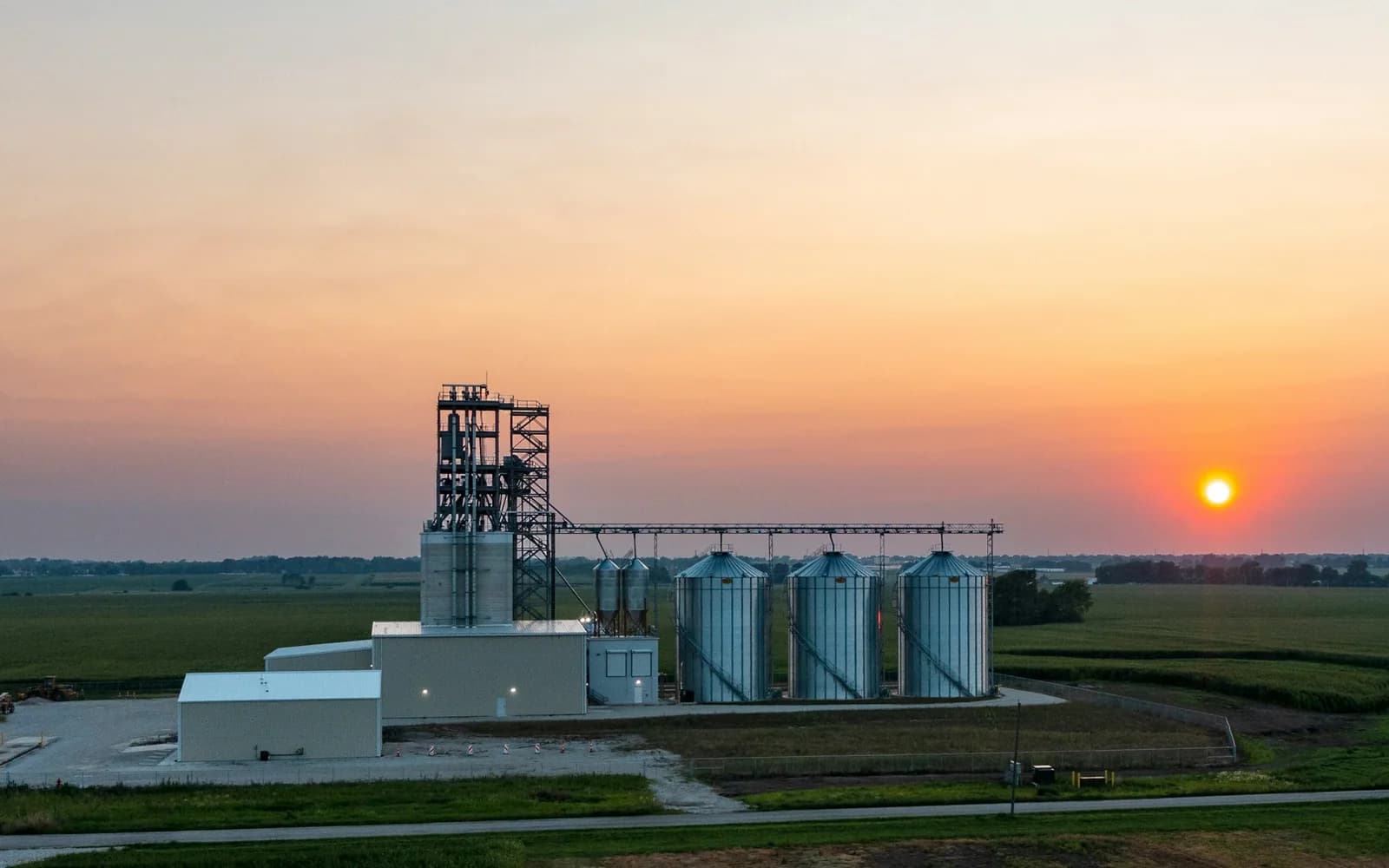
Why and How Is Steam Used in Feed Pellet Conditioning?
In steam conditioning before the pellet press, steam quality, condensate management, product formulation and conditioner residence time are as important as flow rate.
Read more →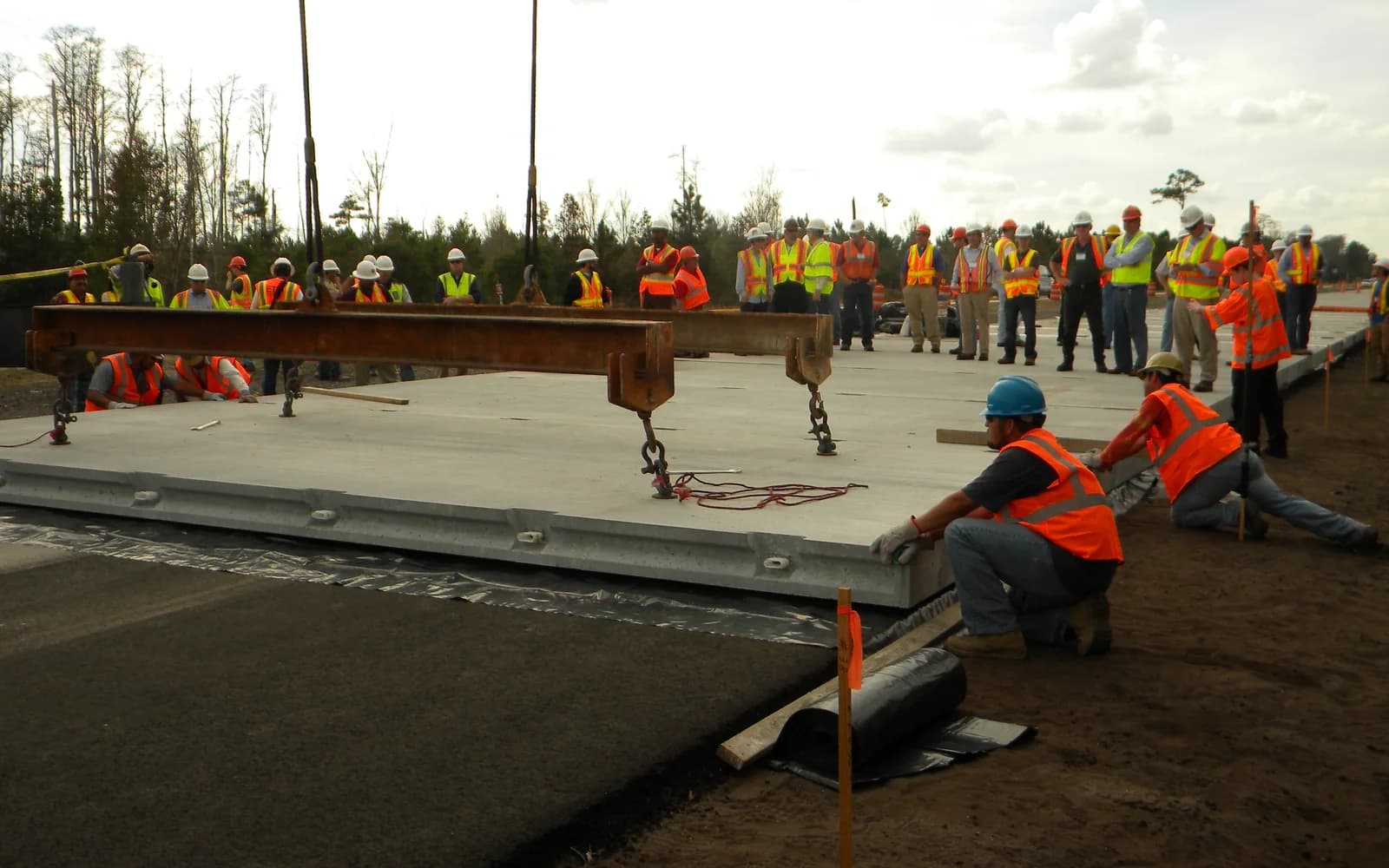
How to Plan Steam Curing in Precast Concrete?
Steam curing is not merely heating the room; it is a cycle consisting of pre-rest, controlled heating, holding, measurement, and cooling stages.
Read more →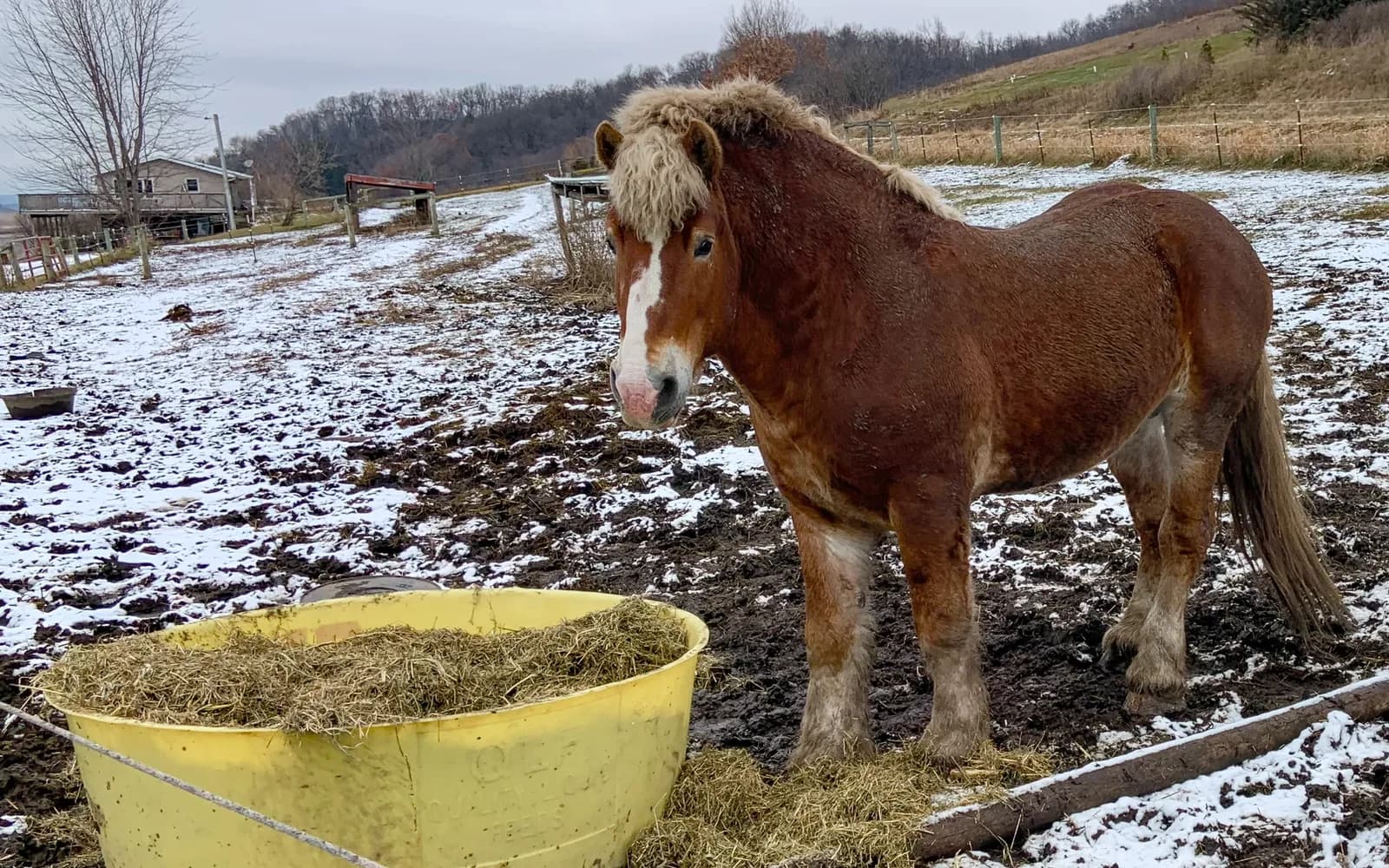
What Is Equine Hay Steaming (Hay Heating), and How Is the System Selected?
“Equine hay heating” or hay steaming is a controlled process that uses high-temperature steam to reduce respirable dust and viable microorganism loads in dry hay.
Read more →