Are “equine hay heating”, hay steaming and dry hay steaming the same thing?
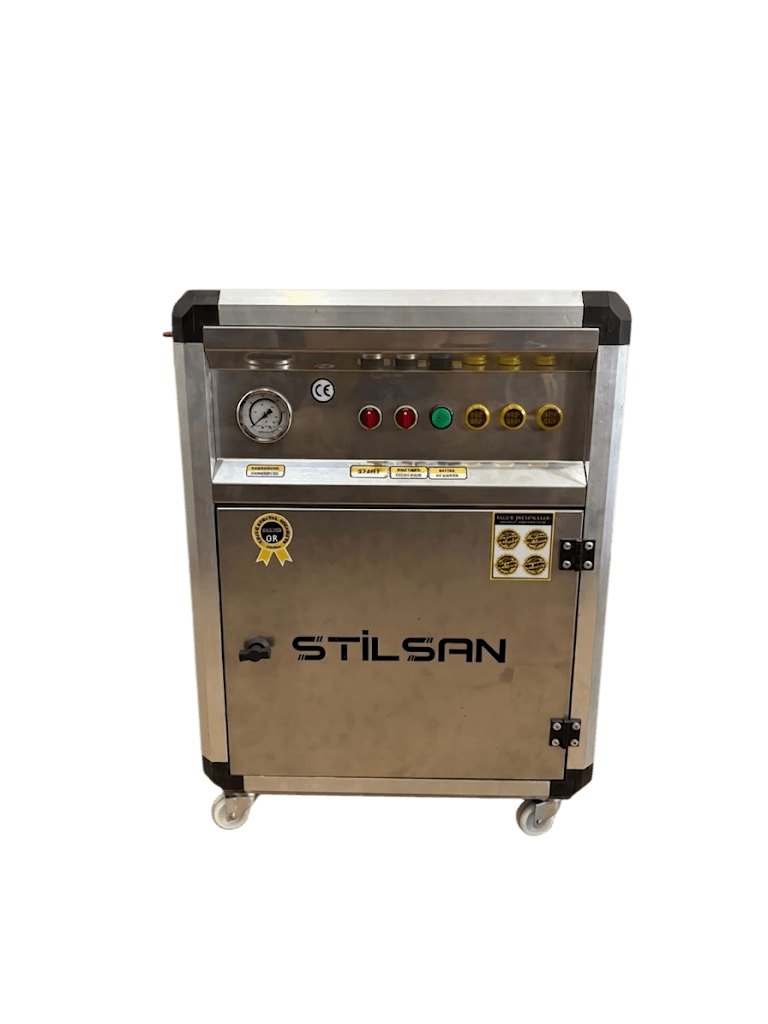
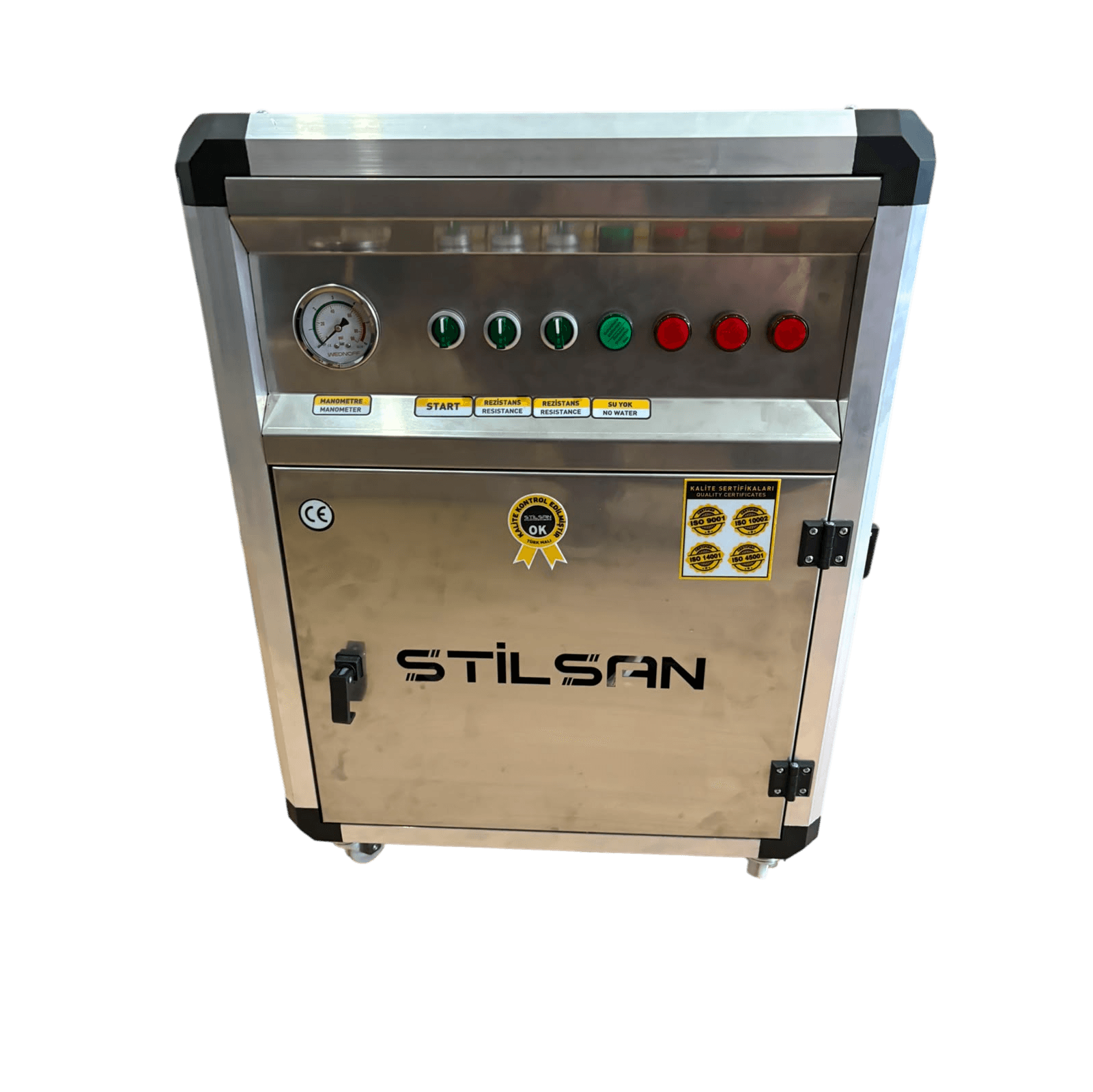
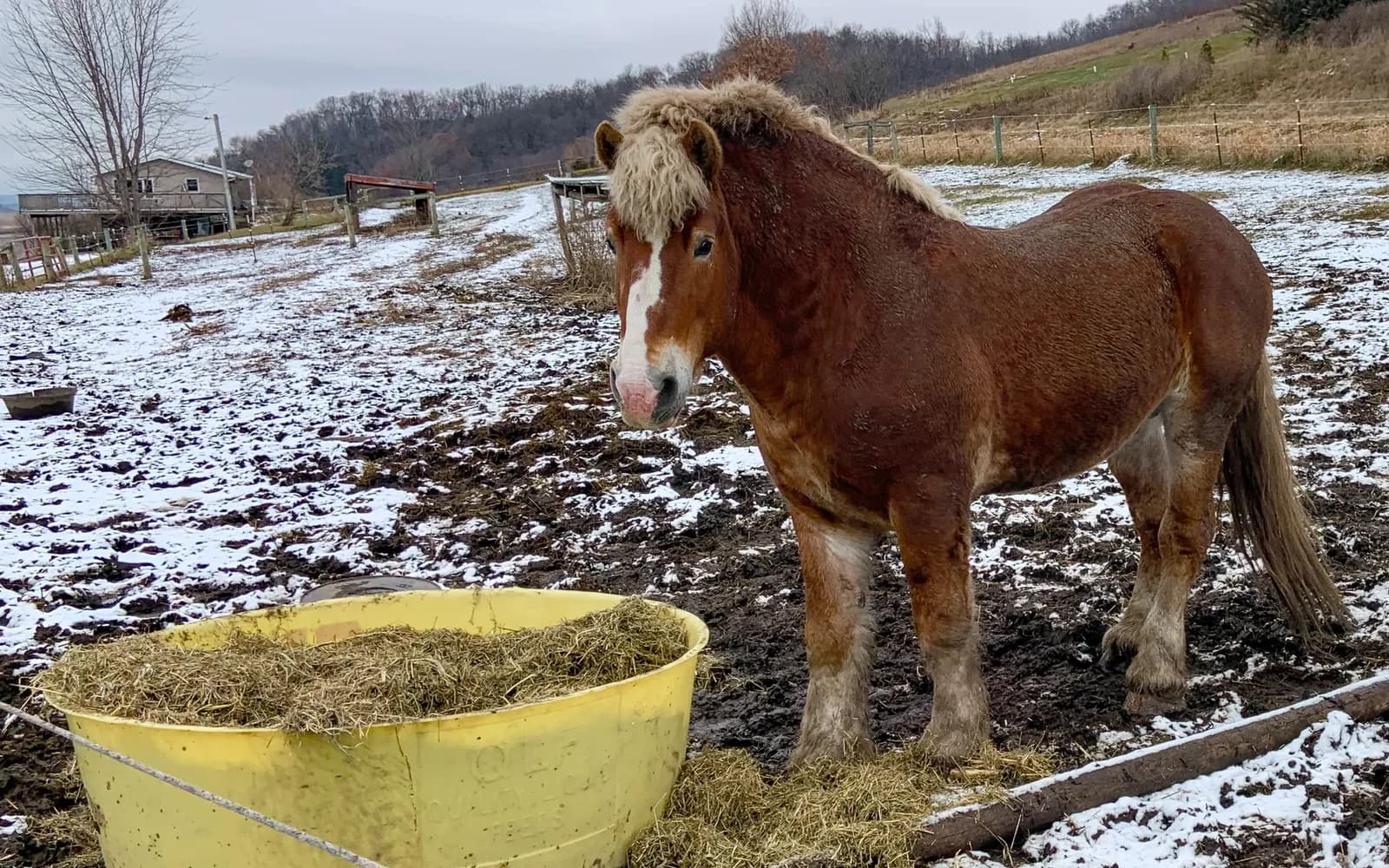
The technical equivalent of the expression “equine hay heating” used in requests is equine hay steaming or horse hay steaming. In this process, the steam produced by the Stilsan steam generator reaches different points of the dry hay through a closed chamber and distribution manifold. The aim is not merely to wet the surface, but to create a controlled high-temperature cycle that reaches the centre of the load. In English, hay refers to the dry forage eaten by horses; bedding straw is a separate material.
What does high-temperature steam do to dry hay?
University and peer-reviewed studies show that uniformly applied high-temperature steam reduces respirable particles released from dry hay into the air and viable mould and bacteria counts. In the University of Minnesota’s 90-minute commercial steamer study, total suspended particulate matter and mould load decreased significantly in moderately mouldy samples. Since the quality of the starting feed affects the result, if a specific reduction percentage is required, it should be documented through before-and-after laboratory analysis conducted with the relevant feed.
A reliable cycle is established through temperature measurement
Published commercial hay steamer protocols frequently use steam at approximately 100 °C and cycles of 60–90 minutes. In a Stilsan project, the cycle is not left to a timer alone: probes placed at the centre of the bale and at representative points show the temperature actually reached by the load. If bale compactness, mass or initial temperature changes the required time, the cycle is adjusted according to these measurements. This creates a field-validated operating programme instead of a fixed estimate.
What is the difference between using a hay steamer and soaking hay?
In soaking, dry hay is immersed in or wetted with water; in steaming, high-temperature steam is applied in a closed chamber. Water consumption, labour, nutrient transfer into the water and microbiological outcomes are not the same. Some studies report advantages of steaming in terms of hygienic quality, while changes in nutrient composition depending on the feed and protocol have also been reported. For a horse with a respiratory or metabolic disease, the method and ration should be determined by a veterinarian and an equine nutrition specialist.
Why should steamed dry hay be used without delay?
Steaming increases the moisture content of dry hay. The University of Minnesota recommends feeding the hay shortly after steaming because the increased moisture may otherwise make it more susceptible to mould growth and loss of nutritional value. A 2021 storage study also shows that storage time and temperature after heating should be addressed in the hygiene plan. In practice, safe cooling, prompt feeding, management of remaining moist feed and operator protection against hot-steam burns should be planned together.
How does Stilsan select a steam generator?
The dry-hay mass and bale dimensions per batch, number of daily cycles, target time, starting conditions, chamber size and insulation, manifold, line length, and water and electrical infrastructure are taken as project inputs. Based on these data, Stilsan evaluates the required steam flow rate; if a standard model is sufficient, it offers the appropriate model, while a custom-manufactured option is offered for larger or different requirements. The quotation clearly states which party is responsible for the chamber, manifold and site connections.
How are results measured and responsibilities clarified?
The generator’s task is to provide the steam defined in the project; the chamber and manifold must distribute this steam uniformly throughout the load. During commissioning, both parties verify the process together through multi-point temperature recording, and the accepted cycle is documented in writing. If a microbiological reduction rate is required, laboratory analysis is added. This technical assurance does not turn steaming into a claim that spoiled feed can be recovered or that veterinary treatment is provided; feed suitability and ration decisions remain part of the facility’s veterinary and nutrition plan.
Frequently asked questions
- What is equine hay heating?
- It is the uniform processing of dry horse hay with high-temperature steam in a closed chamber. Its technical names are equine hay steaming or horse hay steaming; the Stilsan steam generator provides the controlled steam source for this process.
- Does a hay steamer treat equine asthma?
- No. Appropriate steaming may help reduce respirable dust and certain viable microorganism loads; it does not replace veterinary treatment. The clinical plan must be established by a veterinarian.
- Can mouldy hay be used after steaming?
- No such generalisation can be made. Steaming may reduce viable mould counts, but it does not physically remove mould from the feed or prove that spoiled feed is safe.
- At what temperature and for how long is horse hay steamed?
- Commercial cycles of 60–90 minutes using steam at approximately 100 °C have been used in research. Actual acceptance should depend not only on time, but on verified temperature distribution inside the bale and the protocol determined by the specialist.
- How many kW should a steam generator for a hay steamer have?
- The correct kW rating is calculated from batch mass, bale compactness, initial temperature, target time, chamber losses and daily cycles. When these details are provided, Stilsan can clarify the selection of a standard or custom-manufactured generator.
- Can steamed dry hay be stored?
- Increased moisture may encourage microbial regrowth and quality loss. Therefore, the hay should be fed without delay after cooling, and any remaining feed should be managed according to a defined hygiene plan.